THE PROJECT
While I was teaching college freshmen and sophomores ten or fifteen years ago, I noticed something fascinating—their brains did not work the same way as mine. I think pretty much the same way my parents and grandparents did, but these young people were different.
I was taught to dig through libraries to find information. They could find almost everything they needed without leaving their dorm rooms. When I was eighteen years old, I interacted with other students a handful of times a day. They interact hundreds or even thousands of times. Where I would have a conversation, they have Instagram. If I wanted to talk to someone not in the same room, I picked up a telephone. They text. I would occasionally find a quiet spot to sit and read. They read constantly. I got information from one of three national networks or a newspaper. They go to Tik Tok. And that was all before November 2022.
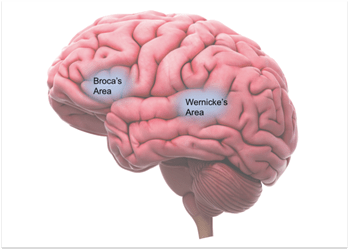
Their brains fundamentally changed when Chat GPT was released. These young people process information differently, and that made me think about other times in human history when the way we move information from one brain to another changed. There are only a few such times: when we learned to speak, when we learned to write, when we printed books, and when we learned to code. In each case the structure of society changed and the anatomy of our brains changed as well.
Generative artificial intelligence is the latest such change, but it may be more significant than any of the ones that came before. For as long as human history has been recorded, we have measured learning and intelligence by how well we speak and how much we carry in our memories. Later we added how well we write and how well we handle numbers. In terms of neuroanatomy, we have measured our intellect based on how well the dominant half of our brains works, but generative AI can do all those left brain things nearly as well and sometimes better than we can.
This project will look at the people, the stories, and the neurologic changes that came with speech, writing, printing, and coding. We will use that history to provide a context for what we are going through now. It may give us an idea of what is coming and help us devise ways to train our brains so we can take advantage of this awesome technology and perhaps help us limit some of its risks.